Loading 3D model...
0%
(クリック/タップ位置の座標が表示されます)
PC: 座標モードONでクリック(または Shift+クリック)SP: 座標モードONでタップ
Source image of the 3D model
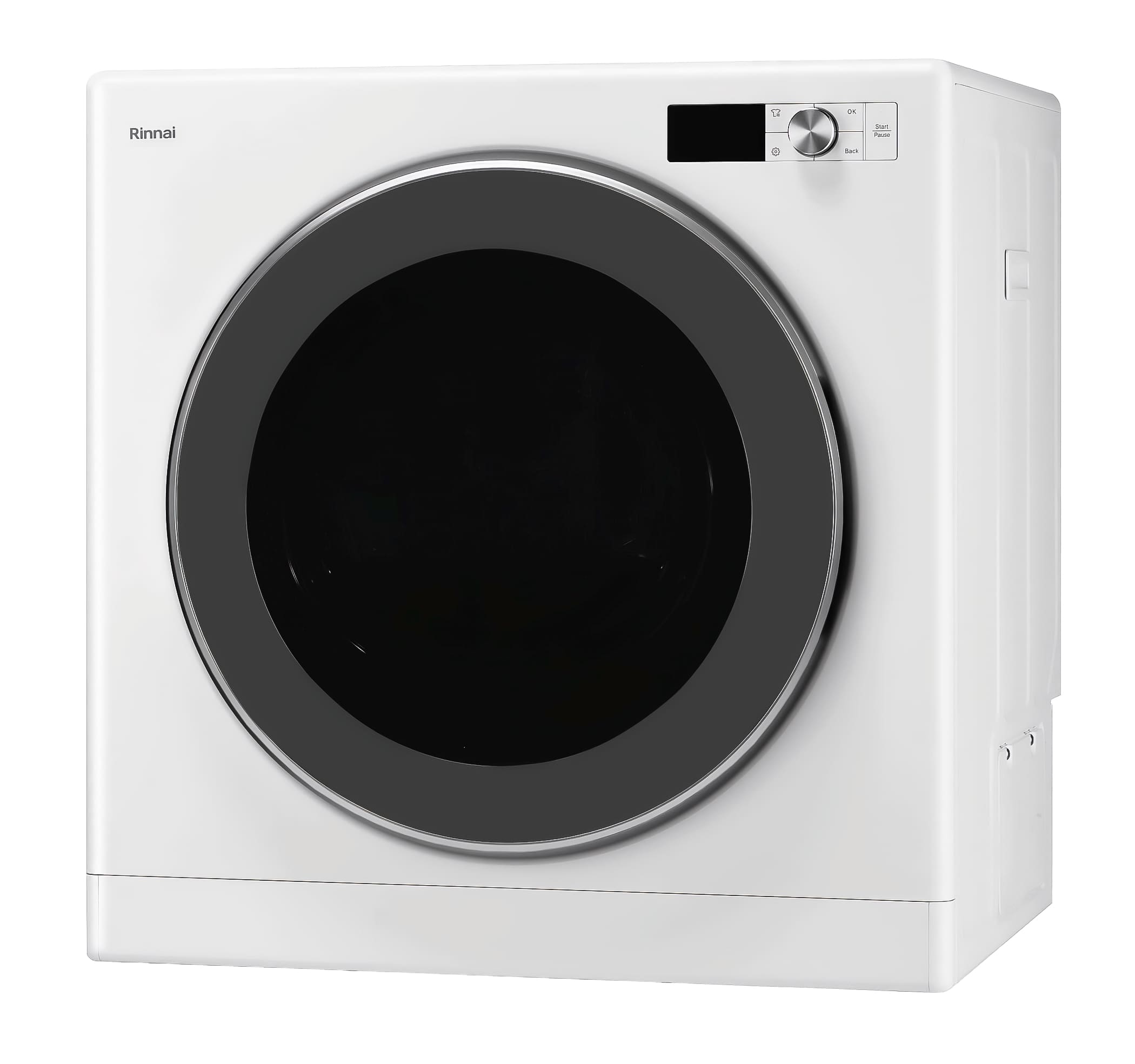
This 3D model was generated based on the image shown above.
The original photo had relatively low resolution, so it was up-converted in Photoshop to a higher resolution to prevent excessive deformation during 3D reconstruction. The outline and major shapes were adjusted, but small details such as text or fine patterns did not contain enough visual information and were not reproduced in the model.
In addition, because the reconstruction uses only a single photo taken from a front-oblique angle, there is no reference information for the back side. As a result, the rear area was automatically inferred and filled in by the AI as a missing region, and the generated back side does not match the actual product.
The original photo had relatively low resolution, so it was up-converted in Photoshop to a higher resolution to prevent excessive deformation during 3D reconstruction. The outline and major shapes were adjusted, but small details such as text or fine patterns did not contain enough visual information and were not reproduced in the model.
In addition, because the reconstruction uses only a single photo taken from a front-oblique angle, there is no reference information for the back side. As a result, the rear area was automatically inferred and filled in by the AI as a missing region, and the generated back side does not match the actual product.
About the AI-generated side shapes that differ from the actual product
On the right side of this 3D model, several shapes appear that do not exist on the real product.
Because only a single photo taken from the front-left angle was used, there was no reference information for the right side or the back of the product. As a result, the AI filled these missing areas by estimating the geometry, and the auto-generated shapes were reflected in the model.
In AI-based 3D reconstruction, surfaces that are not visible in the source images (such as the back, sides, or bottom) are formed through estimation. Therefore, it is common for the generated model to contain side or rear shapes that differ from the actual product, as seen in this case.
Because only a single photo taken from the front-left angle was used, there was no reference information for the right side or the back of the product. As a result, the AI filled these missing areas by estimating the geometry, and the auto-generated shapes were reflected in the model.
In AI-based 3D reconstruction, surfaces that are not visible in the source images (such as the back, sides, or bottom) are formed through estimation. Therefore, it is common for the generated model to contain side or rear shapes that differ from the actual product, as seen in this case.